


















The Diminishing Appeal of All-Star Game
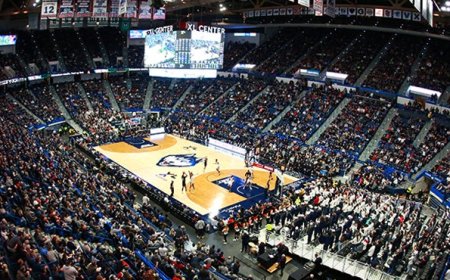
Mid-February brings not just winter gloom and National Bird Feeding Month, but also the all-star games of America's major sports leagues. Despite traditionally being highlights, these games have seen a decline in viewership, signaling a decrease in cultural significance. Factors include the vast availability of sports content reducing the allure and a shift towards less competitive, entertainment-focused formats. Although attempts to rejuvenate interest have been made, success has been limited. Still, all-star games offer economic benefits to host cities and remain an honor for athletes. Future innovations, perhaps involving digital platforms, may be necessary to keep these events relevant and engaging.
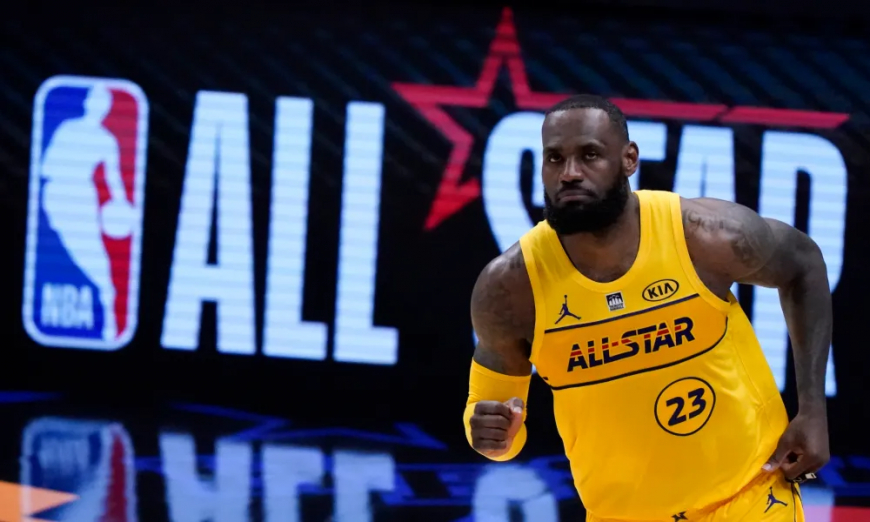


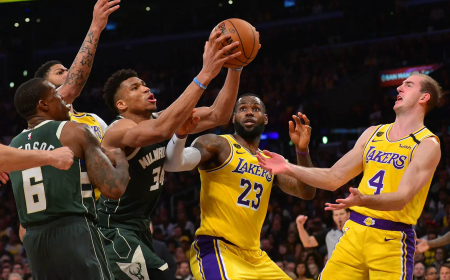
As we navigate through the chilly depths of mid-February, a few annual occurrences come to mind: the persistent winter gloom, National Bird Feeding Month, and the lineup of all-star games from America's favorite professional sports—football, basketball, and hockey. With the NBA All-Star Game just around the corner, excitement is in the air, at least theoretically.


However, the enthusiasm for all-star games might not be as universal as one would expect. Despite being a showcase of top athletic talent, these events have seen a declining interest from the American audience, reflecting a decrease in their cultural significance. From the Pro Bowl's viewership halving since 2011 to the NBA All-Star Game hitting a 20-year low in 2023, and the NHL All-Star Game's fluctuating yet generally diminishing audience, the trend is clear. Even the MLB All-Star Game, a summer staple, has experienced a steep decline from 22.31 million viewers in 1993 to just 7.01 million three decades later.
The evolving landscape of television consumption, according to Dennis Deninger, a Syracuse University sports media professor with a 25-year tenure at ESPN, plays a significant role. With the advent of expanded playoffs, regional sports networks, round-the-clock sports channels, and league-specific networks, fans have ample opportunities to watch their favorite stars, reducing the allure of all-star games. Yet, this isn't the complete picture. The NFL, for example, has seen a steady rise in Super Bowl viewership and an uptick in regular-season audiences, including a notable increase in female viewership.

One critical issue with all-star games is their lack of competitiveness. The emphasis on avoiding injury leads to a lack of defense, resulting in high-scoring, but ultimately less engaging, exhibitions. This shift towards a more casual, "pickup game" style, while entertaining for its high-flying dunks and deep three-pointers, can leave fans desiring more substantive play. This is a departure from the past when all-star games offered a rare chance to see top players from different teams and regions compete, providing memorable moments in sports history.
Leagues have attempted various format changes to revive interest, from altering team selection processes to modifying the games themselves, like the NFL's transition to a flag-football format for the Pro Bowl. However, these efforts have yet to rekindle the all-star games' former glory. Surrounding events, such as the NBA's Slam Dunk contest, have also struggled to attract top talent, diminishing their appeal.
Despite these challenges, all-star games hold value for the cities that host them, generating significant economic benefits through tourism and local spending. Additionally, being selected as an all-star remains a prestigious honor for athletes, highlighting their excellence within the sport.
Looking ahead, some believe that all-star games may evolve beyond their current format, potentially integrating with digital platforms and video games to create new, interactive experiences. While the future of these events is uncertain, the need for innovation is clear if they are to remain a relevant and exciting part of the sports calendar.
What's Your Reaction?